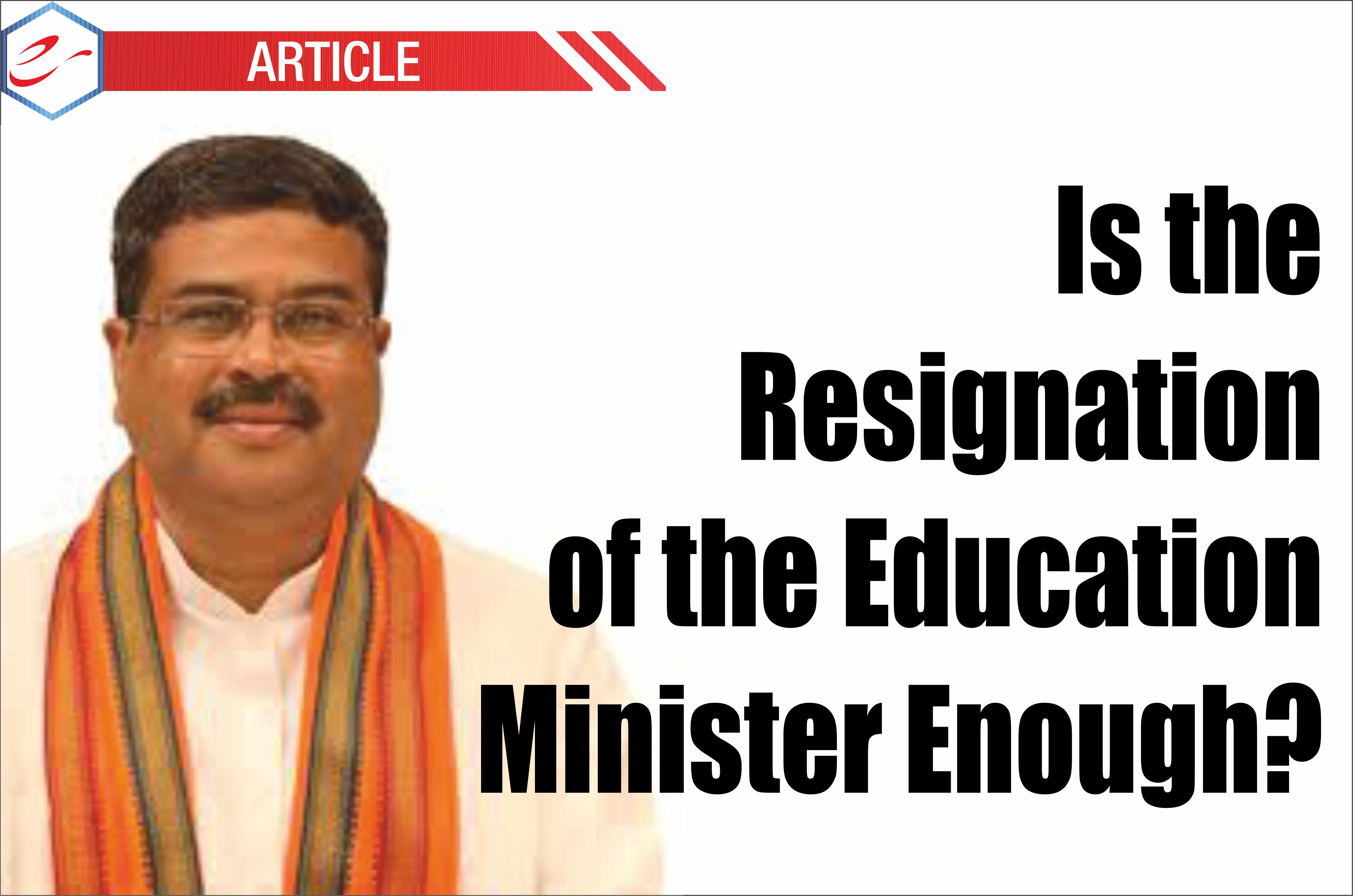
Big worries about accountability in India's education system came up again due to the NEET paper leak and CBSE's On-Screen Marking issues. When stuff like this happens, everyone directs their attention towards the Education Minister. In political talks and on social media, calls for resignation dominate the scene. Yet, do we ever stop to ask if the minister stepping down will truly fix things?
In a democracy, it makes sense for ministers to set a moral example and resign over department mishaps. Still, when you consider huge organizations like the NTA and CBSE, there are thousands of people involved—officials, tech experts, admins, contractors, and more. Ministers don’t personally run major exams; it's a whole team working within a big setup. So, focusing solely on the minister misses the point. We need to look deeper into how this complex system fails and how to fix it.
The NEET paper leak highlighted alleged failures in exam security, coordination, and monitoring. As a result, investigators caught a bunch of individuals linked to the leak networks. But for true accountability, we can't just focus on the political leaders. Anyone directly involved—whether they're officials, workers, contractors, or exam staff—needs addressing too. Otherwise, if we only punish the minister and not those who actually plotted or did the dirty work, nothing changes at all.
Similarly, the CBSE OSM scandal raised issues about digital assessment methods. If technical glitches, sloppy administration, or inadequate oversight led to discrepancies in answer sheet grading, the blame needs outing through an open inquiry. Although changes in leadership might send a strong signal, we really need fundamental shifts to keep such mishaps from happening again.
Answers to a number of questions are necessary for true accountability:
• Who created and authorized the assessment or examination procedure?
• Were warning indicators disregarded prior to the incident?
• Which officials were in charge of quality assurance and supervision?
• Were technical partners or private suppliers sufficiently monitored?
• Which precautions didn't work, and why?
It's not enough for someone important to step down. Resignations may ease immediate pressure, but they don't fix digital systems or secure future exams. They don't win back students' trust either. We need more than that - real solutions are what the public wants.
Students toil away for years to prepare for big tests like the CBSE Board Exam and NEET. Restoring trust takes time, though. It happens only after investigators look into issues and fix things. This involves adding tech, boosting security, conducting more audits, punishing guilty officials, and being more transparent.
So, we shouldn't limit the talk just to one Education Minister stepping down. The bigger issue is making sure the whole chain of command—operational folks all the way up to top brass—are being thoroughly looked into. Pinning it on a single person won't lead to lasting change; instead, we need to ensure everyone who's at fault gets the consequences they deserve, and that systems are in place to prevent disasters from happening again.
For millions of parents and kids, justice isn't just about resignations. It's about regaining trust in the institutions that'll shape the country's future.