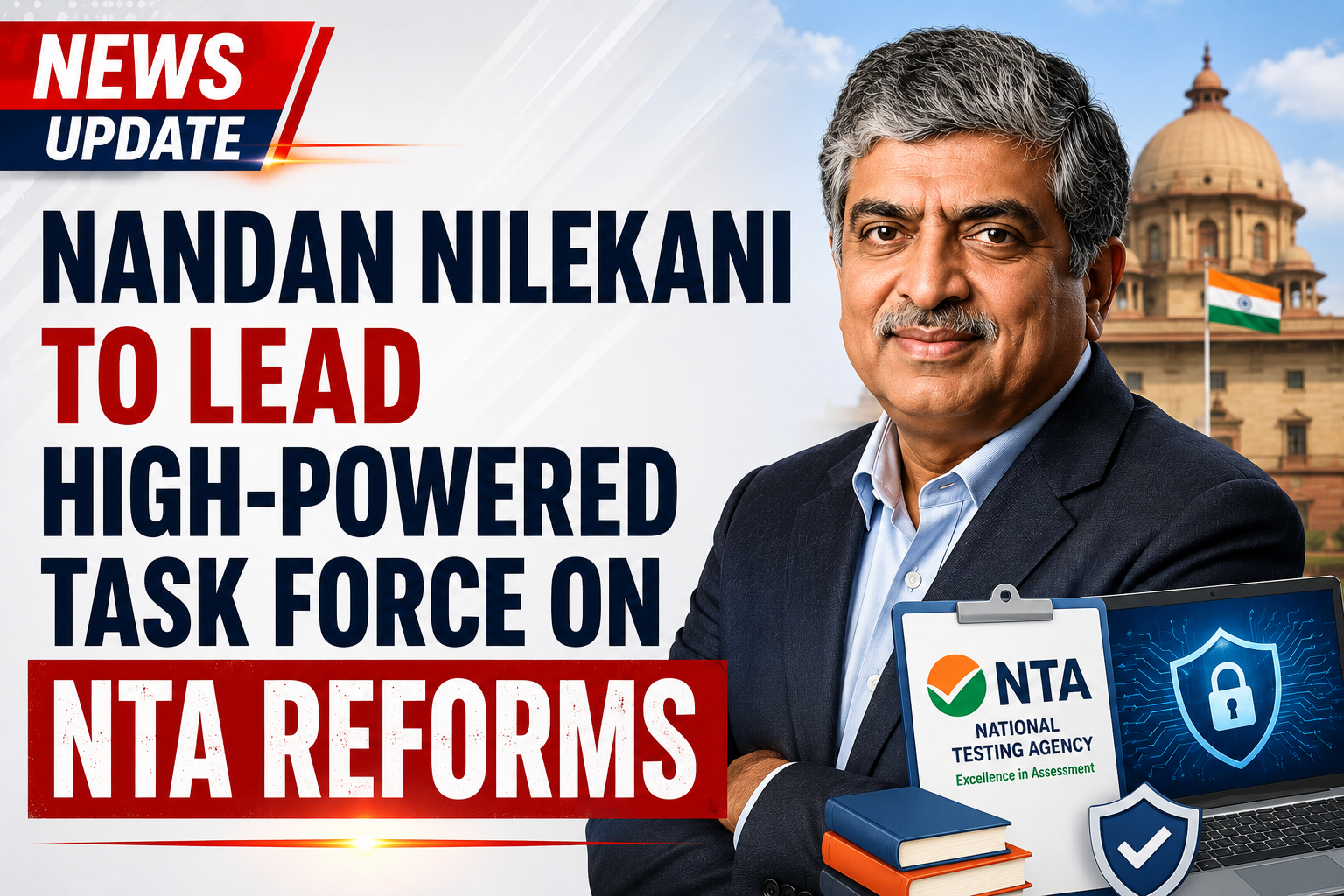
Anti-Paper Leak Bill 2026: As a significant step taken to preserve the authenticity of India's exam system, the Lok Sabha has approved the Public Examinations (Prevention of Unfair Means) Amendment Bill, 2026, commonly known as the Anti-Paper Leak Bill 2026. It will make India's legal system tougher on the issue of examination malpractice by punishing offenders severely through stricter laws.
This comes as a strong move against paper leak cases that had led to disruption of various competitive exams in the country in recent years. Such incidents had not only caused cancellation and postponement of these exams but had also made thousands of aspirants suffer immensely in terms of time and efforts wasted.
Why Was the Anti-Paper Leak Bill Needed?
The examination system of India offers examinations to millions of applicants every year through recruitment examinations, university admission exams, and numerous competitive exams through central and state bodies. However, the repeated leakages of question papers have seriously damaged the integrity of these examinations.
There have been many incidents where these examinations have either been canceled or postponed owing to the leakage of question papers, which caused great inconvenience to the students. They had prepared for these examinations for months and sometimes even for years, but all their efforts went to waste due to the involvement of criminal organizations in the scam.
The incident triggered protests from students in the country, who demanded strict laws to be made. In order to address this issue, the government amended the Anti-Paper Leak Bill 2026.
Key Features of the Anti-Paper Leak Bill 2026
The revised act provides a number of tough measures aimed at discouraging examination fraud in organized form and safeguarding the rights of honest candidates.
1.Tougher Penalties
Under the proposed act, the penalties for examination fraudsters have become a lot tougher. Those found guilty of examination paper leaks, cheating, impersonation, and other forms of malpractice are liable to spend up to 10 years behind bars.
The government is of the opinion that tough jail terms will dissuade criminals who have been taking advantage of the loopholes in the examination process.
2. Severe Financial Fines
In addition to the punishments of jail time, the legislation allows for large fines for offenders. For those cases where there is organized crime or institutional participation, the fine can be as high as ₹10 crores. This makes it economically disadvantageous for people to indulge in examination cheating.
3. Combating Organized Exam Mafia
It is one of the main purposes of the legislation to break down organized structures behind the leakage of papers. The investigating authorities have been vested with greater legal powers to carry out investigation of examination cheating cases by many people and coaching structures.
4. Increased Accountability of Examination Authorities
This revised Act will increase the accountability of examination-conducting authorities in ensuring secrecy, increasing digital security, and implementing methods of protecting the question paper from any form of breach.
Enhanced surveillance measures along with improved digital security and monitoring shall be implemented by the concerned authorities in the process of conducting the examination.
5. Increased Applicability
This law is applicable to several examinations conducted by the central government or other notified agencies. This law will provide legal protection to examinations which have admissions and public employment as their purpose.
Parliamentary Debate
There was much deliberation on the Anti-Paper Leak Bill in the Lok Sabha in the Monsoon Session of Parliament.
Though there was common ground among members of both sides of the aisle that paper leaks were indeed a serious national issue which needed urgent attention, there was a divergence of opinion when it came to implementing the measures proposed by the Bill.
Members of the government claimed that the Bill represented a clear zero tolerance stance of the government toward examination cheating and that it signified the government’s dedication to safeguarding the future of sincere students.
Members of the opposition welcomed the spirit of the Bill but emphasized the need for administrative and technological measures, as well.
Why the Bill Matters for Students
The enactment of the Anti-Paper Leak Bill will certainly give immense relief to millions of students and aspirants in India.
For many years, the candidates have been under a state of confusion because of repeated cancellation of their exams owing to the paper leaks. Candidates spend a lot of time and money in preparing themselves for competitive exams, and at times they move to coaching centers and forego job chances while preparing themselves.
It is the honest candidates who suffer when their exams are canceled because of malpractice.
This bill is designed to make sure that deserving candidates do not lose out chances due to the criminal acts of cheating syndicates.
Impact on Recruitment and Higher Education
Recruitment agencies and educational institutions are supposed to gain through better legal protection.
Government recruitment examinations, university admissions, and other public exams are very important for choosing individuals according to merit. Through providing legal protection from examination malpractice, the government will be restoring confidence amongst employers, educational institutions, and citizens at large.
The proposed legislation will even motivate examination bodies to develop better cybersecurity systems, encrypted transmission of questions papers, use of biometrics and artificial intelligence surveillance in examination halls.
Experts Call for Strong Implementation
The passing of the Bill has been welcomed by education specialists who, at the same time, point out that passing legislation is not enough in dealing with exam cheating.
According to the specialists, the following will be necessary to implement the Bill effectively:
• Secure information technologies infrastructure
• Efficient cybersecurity
• Security audit
• Coordination between law enforcement agencies
• Fast investigation and punishment
• Transparency of the examination process
• Whistle-blowers’ protection
• Examination authorities’ accountability
If implemented ineffectively, the specialists note, even the toughest laws will be ineffective.
A Positive Step Towards Restoring Trust
Introduction of the Anti-Paper Leak Bill 2026 constitutes one of the major reforms in the examination process in India in recent times. It signifies the strong intent to make sure that those who indulge in examination cheating will face stringent punishment in the coming days, and at the same time, this Act also reinforces the government’s determination to maintain merit and integrity.
Although it remains to be seen how effectively the Bill will prove its worth, its introduction is considered a crucial move towards regaining people’s confidence in India’s examination process.
For millions of students who are preparing for competitive exams, the new Bill brings hope that the fruit of their labor will receive protection from malpractices through legal means.
As India evolves towards becoming a modern nation in terms of its education and recruitment systems, the Anti-Paper Leak Bill 2026 will have a major role to play in maintaining the merit, transparency, and integrity in India’s public examination process.